Why Time in Nature Isn’t a Luxury – It’s Physiology
If most of your day is spent indoors, moving between a desk, a car and a screen, and a walk in the park is something you’ll get to at the…

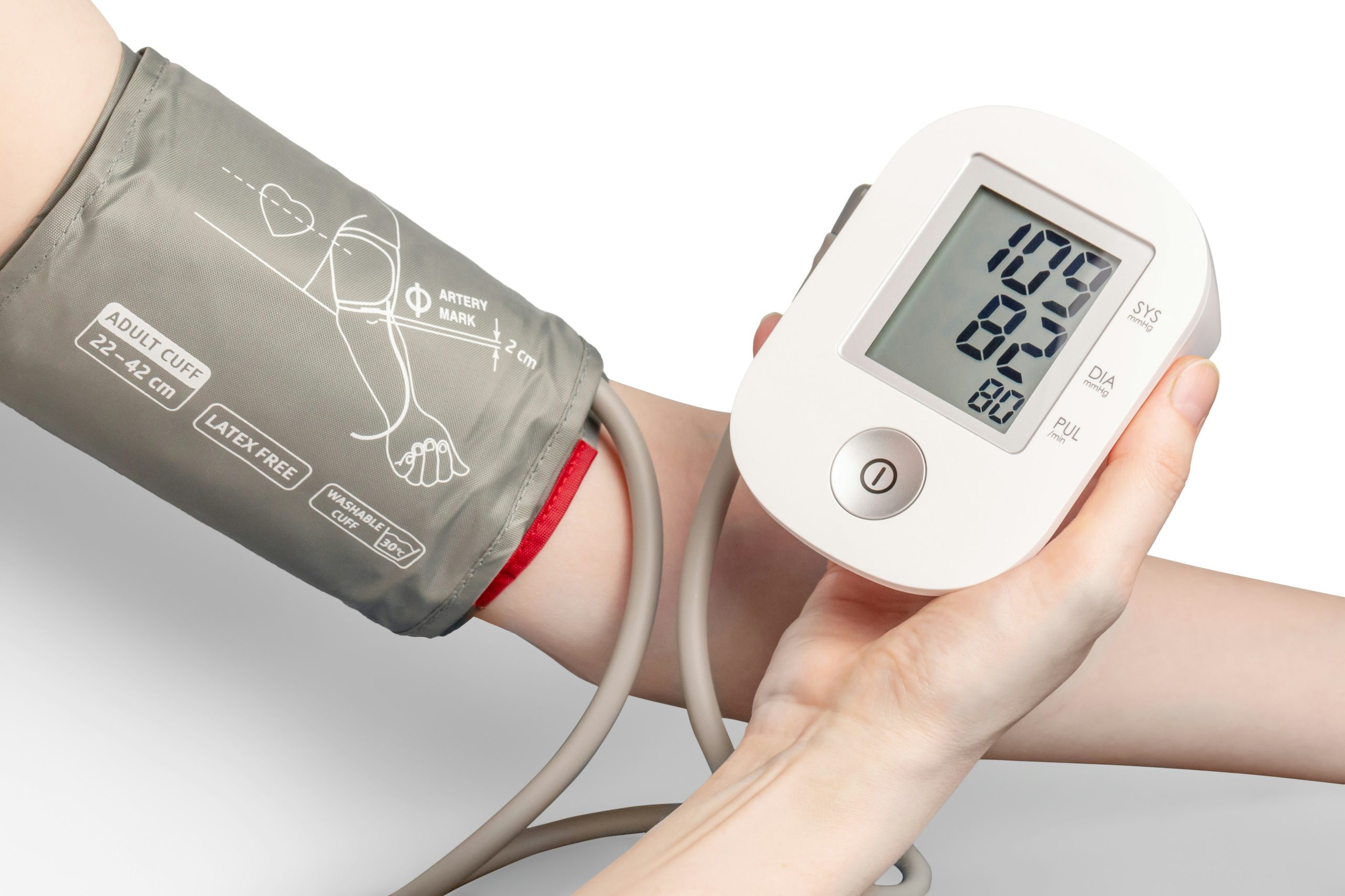
Do you know your last blood pressure reading? Not whether you were told it was “fine” or “a bit high”, but the actual figure?
Around three in ten adults in England have high blood pressure, and many of them don’t know it. It rarely causes symptoms, so people feel completely well, which is exactly why it is so often missed.
In September 2026, the singer-songwriter Michael Kiwanuka shared that he had had a stroke, caused by a bleed in the brain brought on by high blood pressure. He was 39. We mention it not to alarm anyone, but because it’s a reminder that high blood pressure isn’t only a problem of later life, and that it’s worth knowing your number long before it causes trouble.
Your heart beats around 100,000 times a day. The top number (systolic) is the pressure in your arteries as the heart pushes blood out with each beat. The bottom number (diastolic) is the pressure between beats, when the heart relaxes. Both are measured in millimetres of mercury (mmHg), a unit left over from the original instruments.
Over years, persistently raised pressure stiffens and damages the artery walls. That’s why blood pressure is linked to conditions that seem unrelated to each other: stroke, heart attack, kidney disease and vascular dementia. It is one of the largest modifiable risk factors for all of them.
For most adults, a healthy reading is below about 120/80.
High blood pressure is diagnosed at 140/90 or above in clinic, or 135/85 or above at home. The difference isn’t a typo. For many people, the clinic setting itself pushes blood pressure up, so home readings are expected to be a little lower.
Between 120/80 and 140/90 is a grey area. It isn’t high enough to be called hypertension, but it isn’t ideal either. This is the range where lifestyle change does the most good, and where it is most often overlooked.
Blood pressure isn’t a fixed number. It changes from minute to minute, and two readings taken a few minutes apart can easily differ by 10 points or more.
It tends to be higher in the morning and lower during sleep. It rises with caffeine, exercise, talking, cold, a full bladder, pain or stress, including the stress of having it measured.
So a single high reading isn’t a diagnosis, and a single normal one isn’t a guarantee. What matters is the pattern over several days.
The exception is a very high reading. If you get 180/120 or above, rest for five minutes and check again. If it is still that high, contact your GP or NHS 111 the same day. If you also have chest pain, breathlessness, weakness, or changes in your vision or speech, call 999.
More than most people expect. In people with high blood pressure, the research suggests the following reductions in the top number:
These effects add up, and together they can be comparable to a blood pressure tablet.
Chronic stress works in the other direction, keeping blood pressure raised through constant activation of the stress response. We covered this in Why Stress Isn’t Just in Your Head – It’s in Your Body.
None of this means lifestyle replaces medication when it’s needed. It does mean the choice is rarely all or nothing.
A 2023 study in the British Journal of Sports Medicine pooled 270 trials, involving almost 16,000 people, to compare which types of exercise lower blood pressure most. Walking, running and cycling all helped. The biggest effect came from isometric exercise: holding a position under tension without moving. The single most effective was the wall sit.
On average, isometric training lowered the top number by around 8 mmHg, almost twice the effect of aerobic exercise in this analysis.
Breathe normally during the hold rather than holding your breath. Blood pressure rises briefly during this kind of exercise, so if your readings are very high, get that looked at first.
And it isn’t a reason to stop walking. The best exercise is still the one you’ll keep doing.
If you’re 40 or over, live in England, don’t have a diagnosis of high blood pressure, and haven’t had it checked in the last six months, many pharmacies offer a free NHS check with no GP appointment needed. If you’re under 40 with a family history of high blood pressure, ask. Pharmacists can make exceptions.
If you’ve had a reading recently, find out the actual figure rather than just “fine”.
Use a validated upper-arm monitor. The British and Irish Hypertension Society keeps a list of monitors that have been independently tested.
Sit quietly for five minutes with your arm supported. Take two readings a minute apart, morning and evening, for seven days. Ignore the first day and average the rest. That average is far more reliable than any single reading.
The British Heart Foundation has a free blood pressure diary you can print or fill in online, set out for exactly this routine.
About three-quarters of the salt we eat is already in food when we buy it. Bread and breakfast cereals are among the biggest sources in the UK diet.
Spend five minutes comparing labels on the things you buy every week. Switching one daily staple does more than giving up the salt shaker.
Usually the home readings, as long as they’re taken properly.
“White coat” hypertension is common. The surgery itself triggers a stress response, and blood pressure rises for the length of the appointment. This is why home or 24-hour readings are now used to confirm a diagnosis.
There are two caveats. Home readings are only reliable with a validated monitor, the right cuff size and the right technique. And white coat hypertension isn’t entirely harmless: people with it are more likely to develop sustained high blood pressure over time. It’s worth repeating a home blood pressure week every year or so, rather than dismissing it.
A pattern we see often in clinic is someone who has had “slightly high” readings for years, each one explained away: a rushed morning, a stressful week, the drive to the surgery.
Any one of those explanations might be true. Five years of them is a trend.
Blood pressure is also rarely the only number moving. Looked at alongside cholesterol, HbA1c and waist measurement, a much clearer picture often emerges. We’ll be covering those in our next articles.
If you’d like to go through your numbers with one of us, we offer a 30-minute results appointment. Bring your home readings and any recent blood results, or ask us to arrange blood tests beforehand. We’ll explain what the figures mean together and agree the two or three changes most likely to make a difference. You can also book a free, no-pressure discovery call with either of us.
Dr Helen Kay and Dr Greta Gregory are GPs and lifestyle medicine physicians, and the co-founders of The Lifestyle GP.
This article is for general information and does not replace individual medical advice.